Marilyn Manson: All Albums Ranked
Marilyn Manson’s career has been steeped in controversy, and his musical output is never less than provocative, creative and enthralling. We have undertaken the tricky task of ranking and reviewing every Marilyn Manson record, putting uninformed judgement of his personal life to one side in order to focus on the most important thing: the MUSIC. Check out our Spotify playlist, of highlights and lesser-known tracks, have your say in the comments below, and check out some of our other rankings!



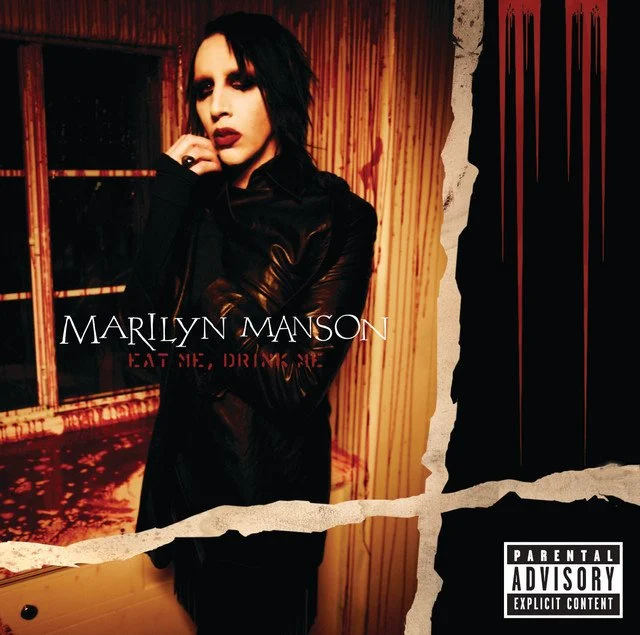
If you can get through the whole of ‘Eat Me Drink Me’ in one sitting, and genuinely enjoy it, then you will be part of a very small, specialist minority. While there isn’t necessarily an out-and-out bad song here, as an album this is a slog, and the biggest criticism is that Marilyn Manson himself sounds bored, as evidenced in the ponderous ‘Are You The Rabbit?’. the lacklustre ‘Mutilation is the Most Sincere Form of Flattery’, the faux-crooned ‘Just a Car Crash Away’, and the directionless title track.
‘Eat Me Drink Me’ was the first Marilyn Manson album not to be recorded as a five-piece, as guitarist John 5 had departed from the group in 2004 after the release of ‘The Golden Age of Grotesque’. This record was instead made primarily as a 2-person collaboration, between Marilyn Manson and bassist Tim Sköld, who had joined the live band for the Golden Age of Grotesque tour and remained a member until 2008. Manson sang most of the album lying down on the studio floor with his hands cupping the studio microphone, resulting in a very distinctive vocal sound - and it doesn’t make for a particularly enjoyable listening experience. Manson often sounds withdrawn, vacant and disinterested, which may reflect his state of mind give that ‘Eat Me Drink Me’ was written alongside separating from his wife Dita Von Teese.
Lead single ‘Heart-Shaped Glasses’, complete with a controversial video featuring Marilyn Manson and his then-girlfriend Evan Rachel Wood, has a jangly, pop song quality that is somewhere between the tunefulness of ‘The Dope Show’ and Talking Heads, or even, bizarrely, The Strokes. Opener ‘If I Was Your Vampire’ has a brooding darkness that translates very well live, hence it being the only track that has remained consistently in the setlist since. ‘Putting Holes in Happiness’, described as "a romantic-misogynistic-cannibal-gothic-vampire ballad", is a highlight. But ultimately, ‘Eat Me Drink Me’ has too much self-obsessed melancholy to demand repeated listens.
Standout Tracks: ‘If I Was Your Vampire’, ‘Putting Holes in Happiness’, ‘You and Me and the Devil Makes 3’
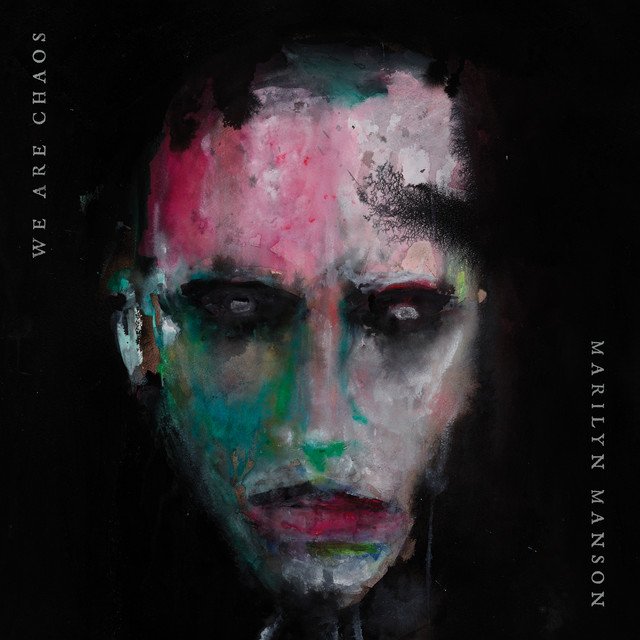
‘We Are Chaos’ is a curious one. If you are in the right mood for languid, dark anthems that sound like they were conceived in the small hours of the morning after drinking some fine whiskey (or ‘Mansinthe’), then ‘We Are Chaos’ has a singular, gothic rock charm. There is little variation over the record’s 10 tracks and 42-minute run time, but perhaps that was the point.
‘We Are Chaos’ was a one-off project between Marilyn Manson and Shooter Jennings, a musician and producer best known for his work in the ‘outlaw country’ world, though his own influences include David Bowie and Pink Floyd, alongside Hank Williams Jr and Lynyrd Skynyrd. Some session musicians were used on the record, but the majority of it was Jennings and Manson, creating something that was noticeably different from ‘The Pale Emperor’ and ‘Heaven Upside Down’, the previous records with Tyler Bates.
Most songs have a similar sound. Processed beats, dark, gloomy guitars, slow, deep vocals and tonnes of atmosphere, best exemplified by ‘Solve Coagula’ (with its powerful line “I’m not special / I’m just broken / and I don’t wanna be fixed”). Marilyn Manson himself sounds resigned, wallowing in lethargy and self-pity, albeit with a hint of acceptance, perhaps feeling at ease with his own limitations. Best of the bunch is the excellent title track, arguably his biggest-ever nod to David Bowie, with a chorus that is in - whisper it - a major key. The production is thick, murky and drenched in reverb, ensuring that ‘We Are Chaos’ was never going to be a big radio hit, but you could almost imagine the tune itself being massive if it was covered by a mainstream artist.
‘Don’t Chase The Dead’ is a more up-tempo track, and 'Infinite Darkness’ is the heaviest thing here, but neither song comes remotely close to the faster or heavier moments on other records. ‘Red Black and Blue’ is an interesting opener, setting the tone for an obtuse record that can either be a tedious, unrelenting slog or an artistic, melodic triumph, depending on your state of mind at the time.
Standout Tracks: ‘We Are Chaos’, ‘Solve Coagula’, ‘Perfume’
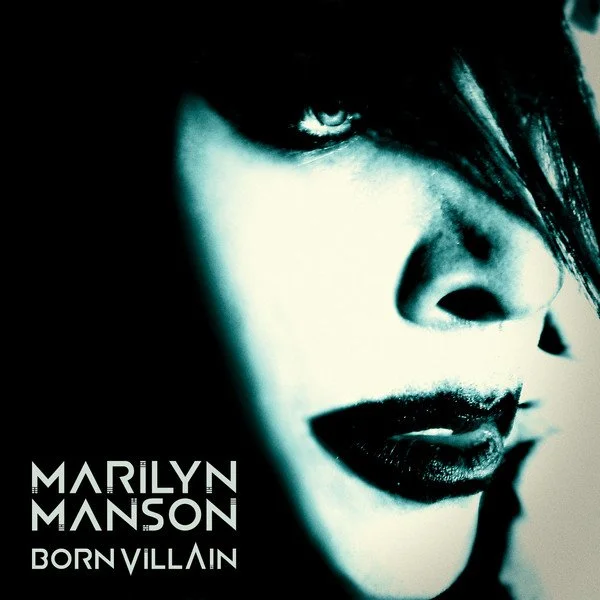
On its release, Marilyn Manson claimed that ‘Born Villain’ was the band’s '“grandest concept record”, which was a big thing to say given the extent of the lore behind the previous albums, particularly ‘Antichrist Superstar’. ‘Born Villain’ was based around the theme of Manson being blamed for other people’s actions, revisiting the circumstances behind the creation of ‘Holy Wood’ after the tragic Columbine shooting. This was a record that was born from a considerable amount of soul-searching and introspection, acknowledging Manson’s own flaws and shortcomings, and coming to terms with the fact that he will always be misunderstood and perceived as dangerous by the media. Knowing this, some of the lyrics play up to the image and take a powerful, dark turn, such as “You don’t even want to know what I’m going to do to you” (‘No Reflection’) and “You look so pretty when you cry / Don't wanna hit you but the only thing between our love is a bloody nose, busted lip and a blackened eye” (‘Pistol Whipped’).
This was the first album since the departure of long-time drummer Ginger Fish. Even though previous albums often used programmed drums rather than live drums, Ginger Fish had had a substantial input in the sound from a rhythm perspective. Curiously, ‘Born Villain’ actually has a bold, more ‘live’ drum sound than its two predecessors (‘Eat Me Drink Me’ and ‘The High End of Low’) in songs like ‘Overneath the Path of Misery’ - and when ‘Born Villain’ rocks, it rocks hard. ‘Murderers Are Getting Prettier Every Day’ harkens back to ‘1996’, ‘Little Horn’ and ‘Burning Flag’, with a brutal heaviness that is a delight to listen to.
Like ‘The High End of Low’, this record is overly long and could have done with some trimming of its hour-long running time. ‘Lay Down Your Goddamn Arms’ sounds like an Alice in Chains pastiche and, aside from some cool guitar licks, it feels underdeveloped. ‘The Flowers of Evil’ and ‘Breaking the Same Old Ground’ feel like lesser versions of songs we have heard done much better on other records. But ‘Born Villain’ plays an important role in Marilyn Manson’s evolution, dipping back into heavier industrial metal, even if it isn’t as vital as other albums.
Standout tracks: ‘No Reflection’, ‘Murderers Are Getting Prettier Every Day’, ‘The Gardener’
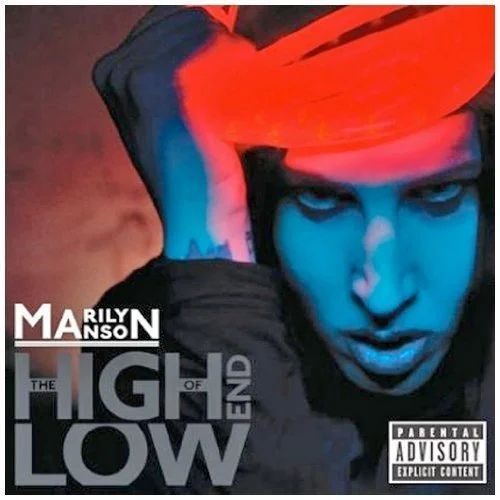
Early single ‘Arma-goddamn-motherfuckin-geddon’ did a great job of reassuring fans that Marilyn Manson still had the ability to write quirky, catchy and up-tempo rock songs, which had been almost entirely lacking from its lacklustre predecessor ‘Eat Me Drink Me’. Perhaps this was helped by the return of iconic bassist and songwriting collaborator from the early records, Twiggy Ramirez (Geordie White). In fact, in the lead-up to the release of ‘The High End of Low’, this record was touted as a hybrid of ‘Mechanical Animals’ and ‘Antichrist Superstar’.
It didn’t quite live up to the hype, but ‘The High End of Low’ is a decent, if overlong record. There is a lingering sense that it could have been better, with some editing in places and also through taking a few more risks rather than playing it a little safe at times.
There was clearly a lot of thought put into the structure of this record, and it is a much more engrossing listen than ‘Eat Me Drink Me’. Opener ‘Devour’ sets an ominous tone as a drawn-out intro, with Manson singing his heart out (“And I’ll love you if you let me”), before the abrasive ‘Pretty as a ($)’. ‘Leave a Scar’ is a highlight, with a driving beat that would set the tone for much of ‘The Pale Emperor’ a few years later. ‘We’re From America’, while an original track, sounds it could have been a cover of an early 80s punk band like Minor Threat or Discharge, with its repeated lines and thrilling delivery. ‘15’ is an intriguing closer which brings to mind ‘Cryptorchid’ from ‘Antichrist Superstar’, albeit less warped and more influenced by The Cure.
A few songs don’t quite land, such as ‘Blank and White’ and ‘Running to the Edge of the World’, but overall ‘The High End of Low’ is a solid album.
Standout tracks: ‘Arma-goddamn-motherfuckin-geddon’, ‘Wight Spider’, ‘Leave a Scar’
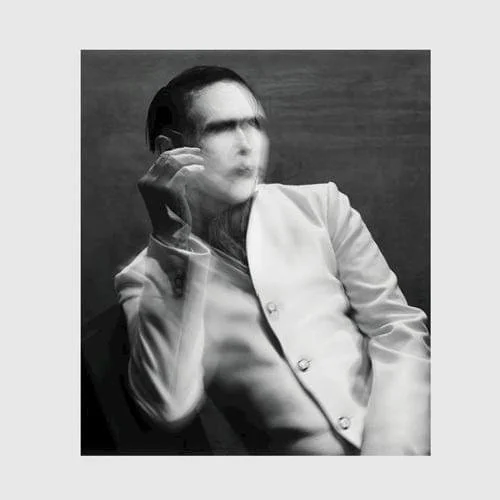
Having dipped his toe back into heavier industrial metal with some parts of ‘Born Villain’, Marilyn Manson’s evolution took him in a new direction for its follow-up. ‘The Pale Emperor’ instigated an unlikely creative partnership between Marilyn Manson and Tyler Bates, an American musician, music producer, and composer for film, television, and video game scores. Much of his work is in the action and horror film genres, with films like Dawn of the Dead, 300, Sucker Punch, Halloween and Halloween II and the John Wick franchise.
This new studio collaboration, rather than working with members of the live band, led to new sonic territory. This is still very much a Marilyn Manson album and it isn’t a complete departure, but there are new textures in the guitars, synths and drums, and a lot of the songs have a danceable quality (‘The Devil Beneath My Feet’, ‘Deep Six’ and ‘Third Day of a Seven Day Binge’). In some ways, it felt more modern, but in other ways more regressive. Songwriting-wise, the album is very front-loaded, making an excellent start with ‘Killing Strangers’, ‘Deep Six’, ‘The Mephistopheles of Los Angeles’ and ‘Slave Only Dreams To Be King’ - but the second half, especially ‘Odds of Even’ and ‘Fall of the House of Death’, tends to drag.
The album cover says a lot about ‘The Pale Emperor’. Have come to terms with his position as a controversial figure in ‘Born Villain’, this record felt like Marilyn Manson embracing a new persona as a perveyor of the finer things in life - wearing an designer suit, indulging in expensive drinks, enjoying a lavish lifestyle, while also creating a sense of isolation and loneliness by putting up barriers around himself. This is a theme that emerges throughout the record (especially ‘Third Day of a Seven Day Binge’, and its acoustic second part, ‘Day 3’) and it makes for an intriguing exploration of the darker side of hedonism.
Standout Tracks: ‘The Mephistopheles of Los Angeles’, ‘Slave Only Dreams To Be King’, ‘Deep Six’
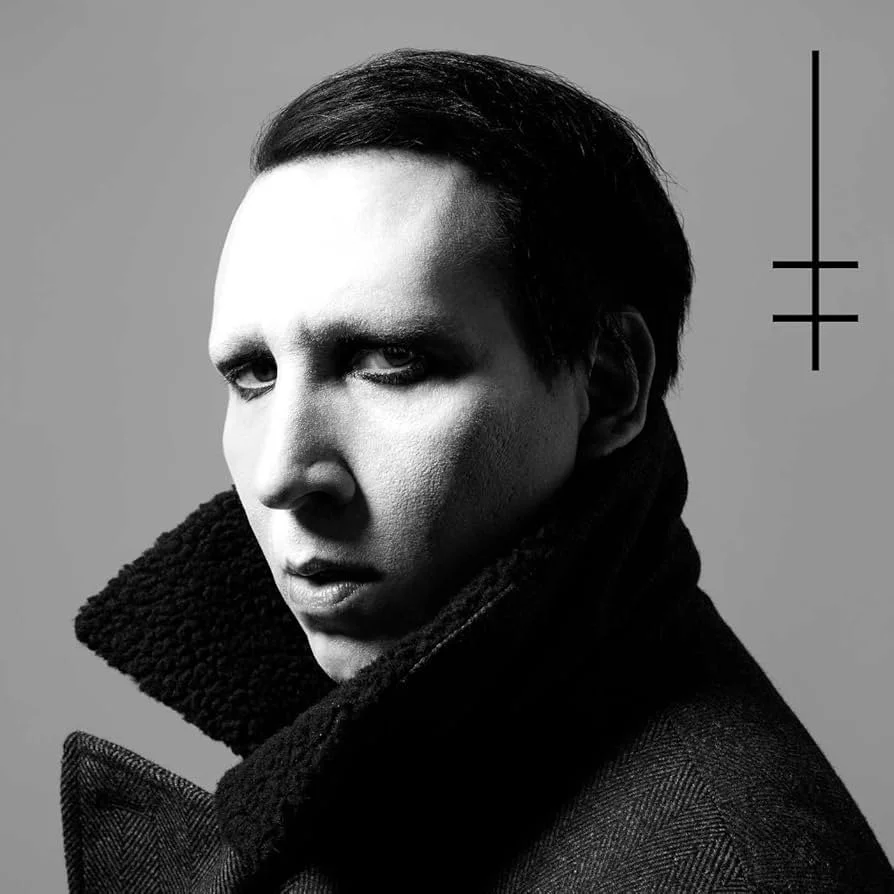
‘The Pale Emperor’ was a solid, if unspectacular record which instigated an unlikely creative partnership between Marilyn Manson and Tyler Bates. The follow-up, ‘Heaven Upside Down’, built on this in-studio relationship further, this time with a harder edge and more confrontational style.
Lead single ‘Tattooed in Reverse’ is a clear highlight, based around a groove and melody that sounds strangely reminiscent of ‘Innocent Bystander’ from Korn’s divisive ‘Untitled’ album, mixed with early 2000s hip hop. There is no other Marilyn Manson song quite like it, and it is thrilling. Elsewhere, the epic, 8-minute ‘Saturnalia’ alternates between vocoder-led spoken word verses over a driving beat that could have come from the Top Gun soundtrack, into a piledriver chorus with its earworm line '“I was invited to eat the young”. It may be one of Manson’s longest ever songs, but it flies by and doesn’t outstay its welcome. Similarly, the title track comes across like a slowed-down take on a Britpop song, and even though this sounds like a recipe for disaster, it actually works. ‘WE KNOW WHERE YOU F**KING LIVE” has a superb, scream-along chorus that sounds like a better version of what Manson attempted in ‘Pretty as a ($)’ on 2009’s ‘High End of Low’ record.
It isn’t all top-drawer, though. ‘Je$u$ Cri$i$’ is arguably Marilyn Manson’s cringiest song ever and it is borderline embarassing, with awful lyrics (“I write songs to fight and to f**k to / If you wanna fight then I’ll fight you / If you wanna fk you then I’ll f**k you"), an inexplicable faux-British accent (“Like a viper”) and a completely non-existant tune. If you can get through all 4 minutes of it, then you are braver than we are.
If you took the best elements of ‘The Pale Emperor’ and ‘Heaven Upside Down’, the duo of Tyler Bates collaborations, you would end up with a fantastic record. Unfortunately there are some mis-steps across both albums, making it hard to love either completely.
Standout Tracks: ‘Tattooed in Reverse’, ‘Saturnalia’, ‘Revelation #12’
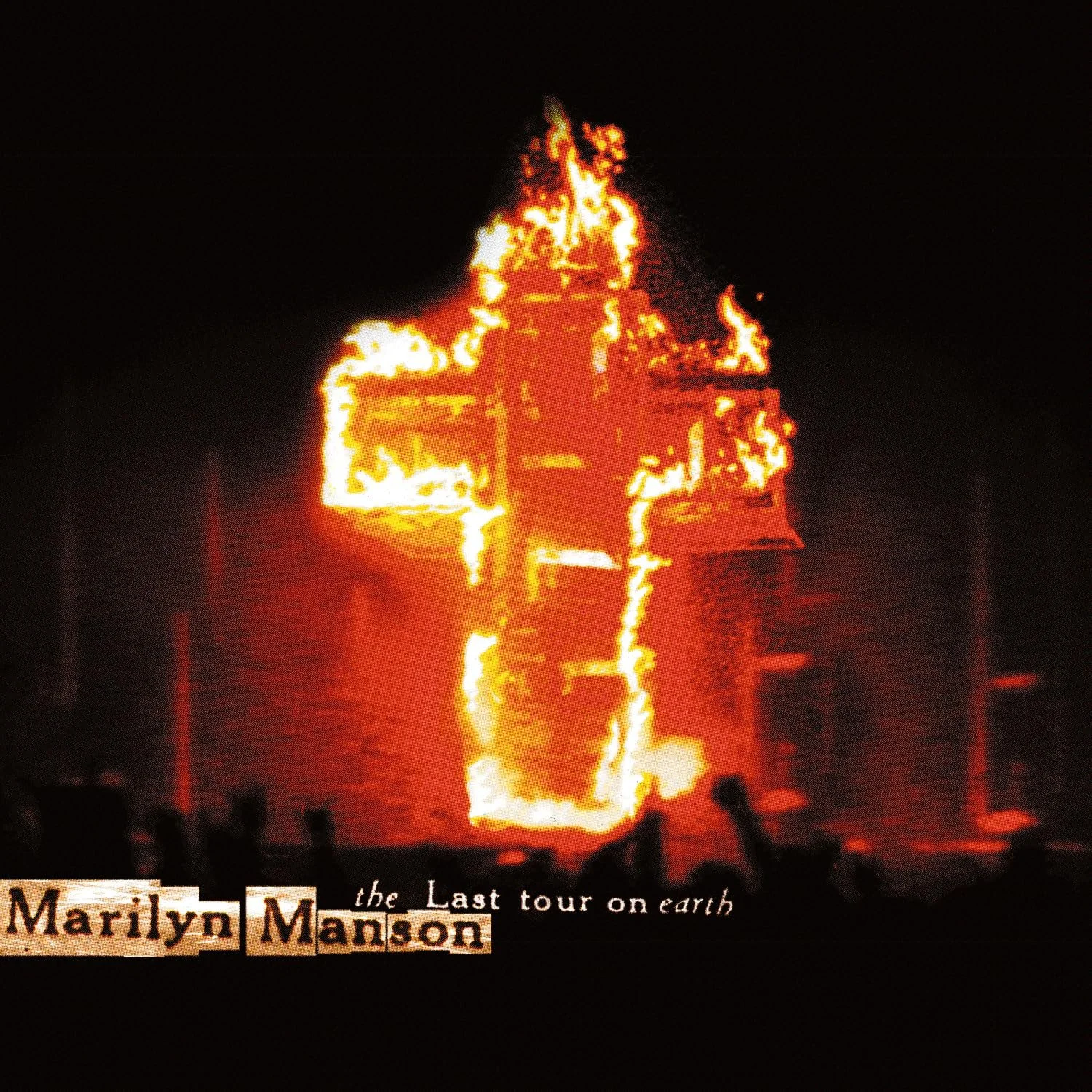
The ‘Mechanical Animals’ tour, with Hole and Monster Magnet in support, was a notorious one. Not only was Marilyn Manson singing about drugs on stage, but the band and their entourage were doing them too. There were fights on and off stage, public arguments with Courtney Love and others, protests from Christian groups, and an ongoing reinforcement that Marilyn Manson was the most dangerous threat in the entertainment world to traditional values, especially in America.
What better way to document these visceral live shows, then, than to release Marilyn Manson’s one and only live album. ‘The Last Tour on Earth’ feels monumental and sounds huge, bringing the songs of ‘Mechanical Animals’ alive with the full live band. As such, ‘The Great Big White World’, ‘Rock is Dead’, ‘I Don’t Like The Drugs (But the Drugs Like Me)’ and ‘The Dope Show’ are all injected with a more human, raw energy (and additional gospel singers) compared to their studio, drum machine-led counterparts. John 5’s guitar tone is monstrous, especially in the slamming choruses in opener ‘The Reflecting God’.
Marilyn Manson himself sounds fantastic, his voice cracking deliciously in ‘Sweet Dreams’ and in his between-song banter. Even though this album was compiled from a few different shows, it generally feels like one cohesive performance. Older cuts ‘Lunchbox’ and ‘Get Your Gunn’ are more aggressive than they sounded on ‘Portrait of an American Family’. After the breathless 3-song run of ‘Antichrist Superstar’, ‘The Beautiful People’ and ‘Irresponsible Hate Anthem’, ‘The Last Tour on Earth’ also features a brilliant acoustic version of ‘The Last Day on Earth’ and a brand-new studio cut, ‘Astonishing Panorama of the Endtimes’ which, along with its MTV Celebrity Deathmatch-esque video, is a vital addition to the Marilyn Manson discography.
Standout tracks: ‘Astonishing Panorama of the Endtimes’, ‘I Don’t Like The Drugs (But The Drugs Like Me)’, ‘Rock is Dead’
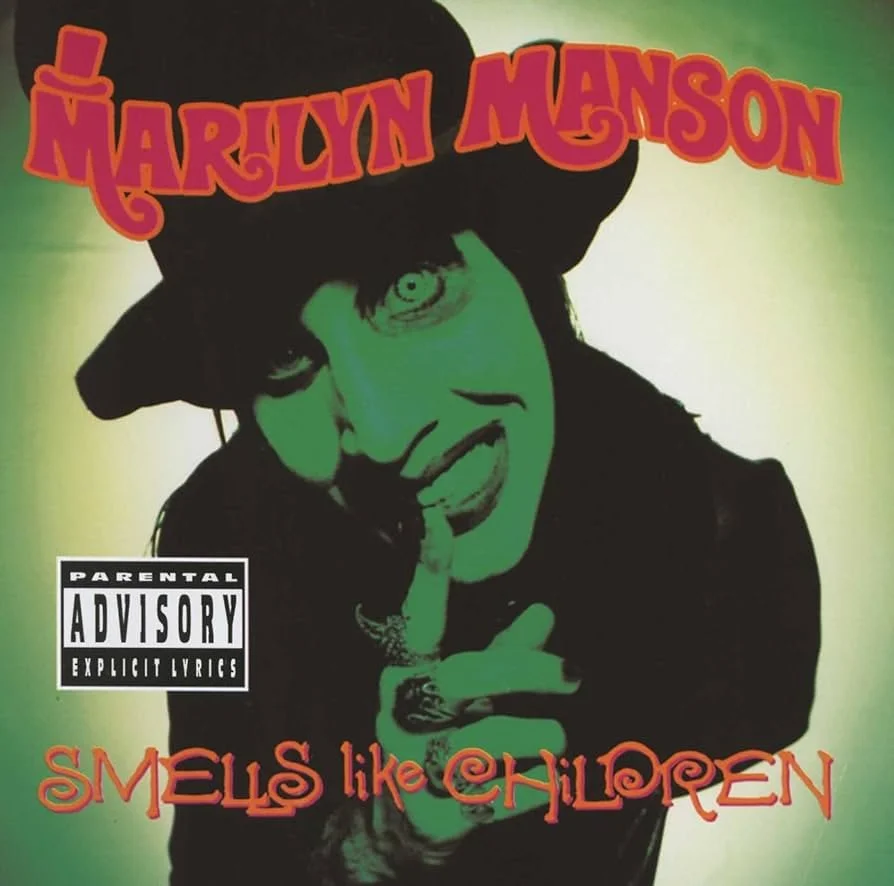
Is it an album? Is it an EP? Is it more of an artistic statement? Whatever it is, ‘Smells Like Children’ is arguably Marilyn Manson at his most frightening. Based on the concept of the Child Catcher from the 1968 film Chitty Chitty Bang Bang, there are 16 tracks here but several of these are interludes, samples and sound collages, creating a world that is like the circus you would never have wanted your parents to take you to.
We are treated (or, more accurately, exposed to) some remixes of tracks from ‘Portrait of an American Family’ (‘Cope Hat’ and ‘Cake and Sodomy’) and some covers - Screamin’ Jay Hawkins’ ‘I Put a Spell on You’, Patti Smith’s ‘Roll and Roll N***er’ and, crucially Eurythmics’ ‘Sweet Dreams (Are Made of This)’, the latter of which has become one of Marilyn Manson’s biggest hits and a live staple.
The opening song, ‘Diary of a Dope Fiend’ moves at a snail’s pace, and Manson sounds utterly creepy and demonic, like a clown having a nervous breakdown. ‘Sympathy For the Parents’ is an engrossing sound collage that illustrates the kinds of questions that were being asked in interviews and panel shows, where Marilyn Manson was already, at this early stage of his career, being scapegoated by Christian groups for leading a bad example to American children.
‘Smells Like Children’ is a stinky, mucky patchwork quilt of different ideas. You won’t be putting it on at parties, but it is an engrossing listen and an essential feature in the Marilyn Manson story, bridging the gap between ‘Portrait of an American Family’ and ‘Antichrist Superstar’.
Standout Tracks: ‘Kiddie Grinder’, ‘Sweet Dreams’, ‘Scabs, Guns and Peanut Butter’
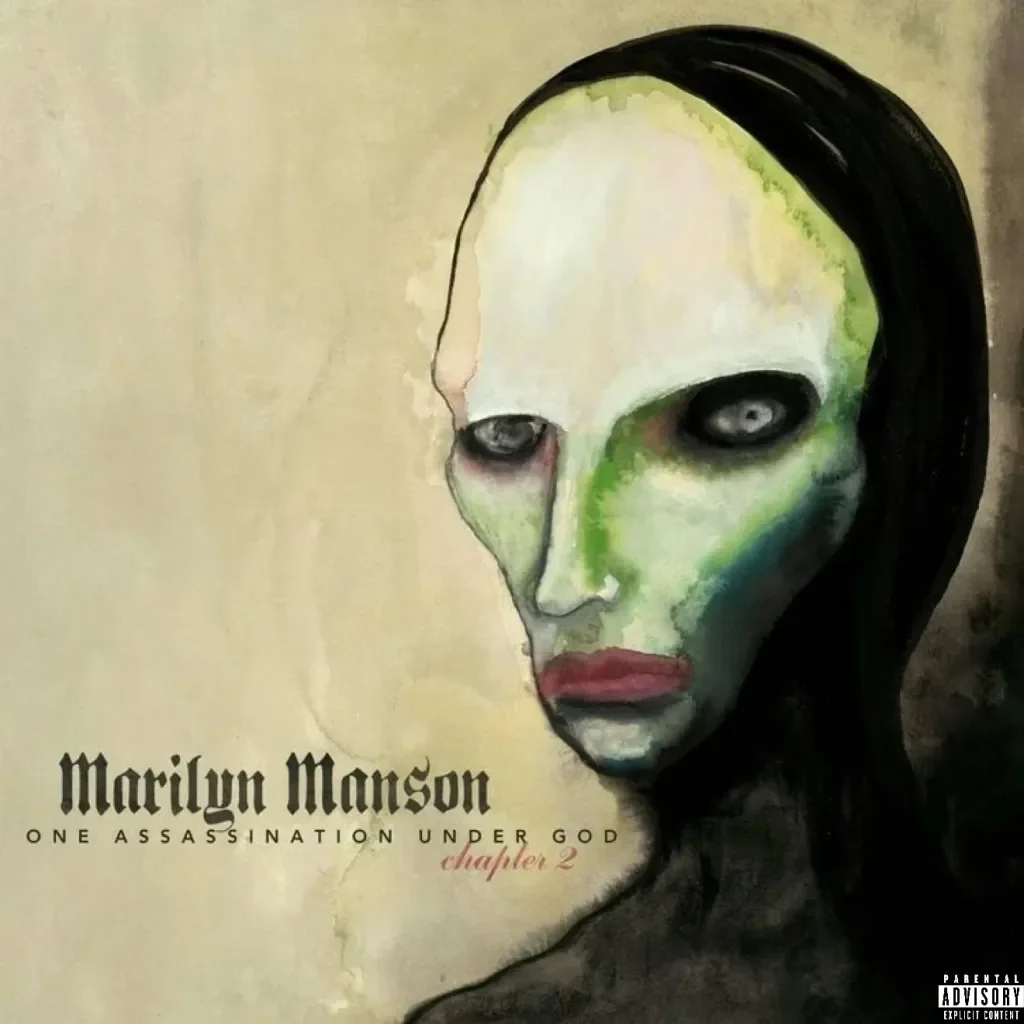
2024’s ‘One Assassination Under God: Chapter 1’ presented a Marilyn Manson reborn and revitalised, and as fearless, bold and confident as he had sounded in the ‘Holy Wood’ and ‘Golden Age of Grotesque’ days. His singing voice improved, both in studio and on stage, unlocking some new melodic heights (‘As Sick As The Secrets Within’, ‘Raise The Red Flag’), screams (‘Nod If You Understand’) and gothic tones (‘Sacrifice of the Mass’).
Two years on, and ‘Chapter 2’ was a clear continuation of ‘Chapter 1’, both sonically and thematically. Some of the tracks were recorded at the same time (‘Front Toward Enemy’ was originally a b-side on the ‘Raise The Red Flag’ single), while other songs were written and recorded (in a partnership with Tyler Bates again - Marilyn Manson’s 4th record with him) after the release of ‘Chapter 1’, and it is a triumph that everything feels so cohesive. There may not be a clear overarching theme to the whole record, but Manson’s penchant for provocative one-liners is fully intact here (“I’m the only enemy you’ll ever need”…“Burn you like a church” - ‘Unalive’ / “Every time you open your mouth we can see how ugly you are inside” - ‘The Arsonist’ / “When I can't feel safe in my own skin, I know I'll feel safe in yours” - ‘Enantiomorph’ / “Sometimes is better than all times but not as good as never” - ‘None of the Suns’) and throughout the record he sounds both defiant and accepting of his place in this complex, contradictory and hypocritical world we live in.
The majority of ‘Chapter 2’ is made of well-written, mid-tempo songs, and aside from the almost punky choruses of the excellent ‘Lucifer’s Teardrop’ and the abrasive pummelling of ‘Front Toward Enemy’, much of this record builds on the 80s-tinged sounds that we heard in ‘Meet Me In Purgatory’. This works very well in tracks like ‘All The Vilest Things’ and ‘Don’t Answer The Door’, with simple yet effective beats and tasteful, creative effects on the vocals and guitars. In some ways, opener ‘Unalive’ sounds like a better version of ‘If I Was Your Vampire’ from 2007’s ‘Eat Me Drink Me’; and the final track ‘Enantiomorph’, which starts with an enticing, almost confessional-sounding spoken word section, is a great, if unspectacular closer.
So, why is ‘Chapter 2’ a few records lower than ‘Chapter 1’ in this list? Frankly, it is the lack of variety. It is a solid, highly enjoyable record which, at only 9 tracks and 43 minutes, never gets boring. But it takes fewer risks overall, and lacks some killer standout moments, both on the heavier and lighter side.
Standout Tracks: ‘Lucifer’s Teardrop’, ‘Unalive’, ‘Front Toward Enemy’
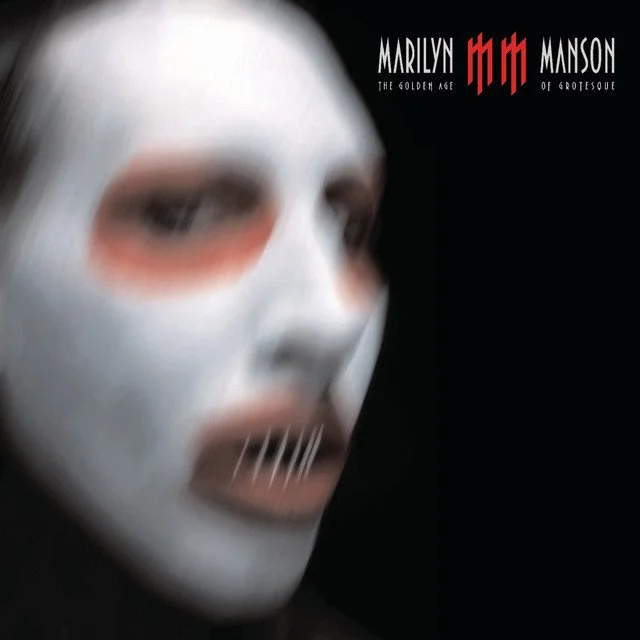
How to move forward into a new era, following the closure of the artistic triptych of ‘Antichrist Superstar’, ‘Mechanical Animals’ and ‘Holy Wood’, especially when Marilyn Manson was now more (in)famous than ever? Well, in an unexpected left turn, he took inspiration - lyrically at least - from the swing, burlesque, cabaret and vaudeville movements of Germany's Weimar Republic-era, specifically 1920s Berlin. Musically, following the departure of founding bassist Twiggy Ramirez, and with the increasing prominence of guitarist John 5 (who would leave after this record), things became more ‘digital’, with no acoustic songs, highly polished drums, and razor-sharp guitars that wouldn’t sound out of place on a Linkin Park album.
‘The Golden Age of Grotesque’ works best when it is direct, simple, uptempo, violent and - dare we say it - nu-metal, with the crunchy guitars of ‘mOBSCENE’, ‘(s) AINT’, ‘Ka-Boom Ka-Boom’ and ‘Use Your Fist and Not Your Mouth’. The first half of the record is stuffed full of these songs, and it makes for uncomplicated, relatively dumb fun, especially given that this record was the first to be released after the bleak, nihilistic ‘Holy Wood’. Unfortunately, ‘The Golden Age of Grotesque’ is very much a record of two halves. and from ‘Spade’ onwards it meanders through some half-baked ideas that try, unsuccessfully, to conjure a sense of dark mystery. ‘Para-noir’, for example, stretches a flimsy idea over 6 minutes. ‘The Bright Young Things’ sounds fantastic (production-wise) when it finally reaches it chorus, but is instantly forgettable. ‘Vodevil’ repeats some of the same ideas as ‘This is the New Shit’ and feels somewhat unnecessary.
Some of Marilyn Manson’s very best songs can be found on ‘The Golden Age of Grotesque’, particularly ‘mOBSCENE’ and ‘This is the New Shit’, and the title track is creepy, unique fun. If some of the uninspired tracks from the second half were culled or improved then this record could have found itself higher on this list.
Standout tracks: ‘Use Your Fist and Not Your Mouth’, ‘mOBSCENE’, ‘(s)AINT’
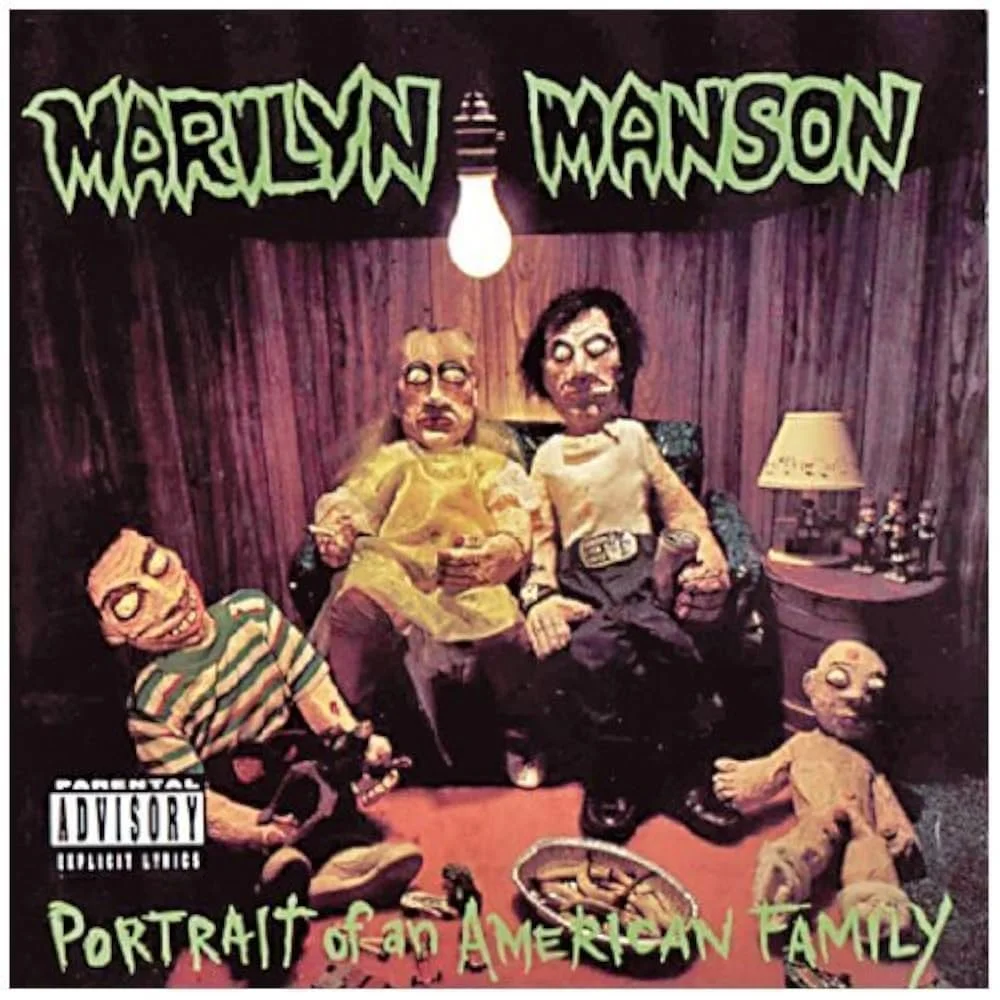
Like something from a nightmarish cartoon, Marilyn Manson exploded into the music world at the perfect time. Metal was starting a renaissance in the post-Nirvana world, and there was an appetite for downtuned, heavy riffs, screaming, theatrical stage shows and dark, provocative lyrics. White Zombie, Sepultura, Fear Factory, Pantera and the like were a far more enticing prospect than the late-80s hair metal that was by now more or less obsolete. But Marilyn Manson took things to a whole new level, bringing a visual aesthetic, genuine sense of danger and confrontational stance that was much more visceral and provacative than his spiritual ‘shock rock’ predecessor, Alice Cooper.
The songwriting was already quite proficient, though a little bloated in parts, but the main appeal of ‘Portrait of an American Family’ is its multi-layered ‘spooky’ sound (the full name of the band, in its early days, was ‘Marilyn Manson and the Spooky Kids’). Songs such as ‘Cake and Sodomy’, ‘Cyclops’ and ‘Dogma’ have fantastic production, with creepy samples throughout that elevate relatively basic riffs (e.g. ‘Lunchbox’) into iconic, memorable experiences. Manson’s lyrical bite was already present and correct (“I am the God of F**k” - ‘Cake and Sodomy’ and “What I want is just your children / I hate what I have become to escape what I hated being” - ‘Organ Grinder’), and there are so many seeds being planted here that would grow into the bold ‘Antichrist Superstar’ a little over two years later.
‘Dope Hat’ is the first Marilyn Manson song to use a 6/8 glam stomp rhythm that has reappeared a few times since, most notably in ‘The Beautiful People’, ‘Disposable Teens’, ‘Doll-Dagga Buzz-Buzz Ziggety-Zag’ and ‘Sacreligious’. It works so well, and even though ‘Dope Hat’ is more primitive in its songwriting it still carries a carnival-esque, creepy quality that no-one else in the metal world (perhaps apart from Rob Zombie) would have attempted.
Fun fact: Marilyn Manson actually made the dolls on the album cover himself, using a combination of paper maché, clay and human hair.
Standout tracks: ‘Cake and Sodomy’, ‘Snake Eyes and Sissies’, ‘Lunchbox’
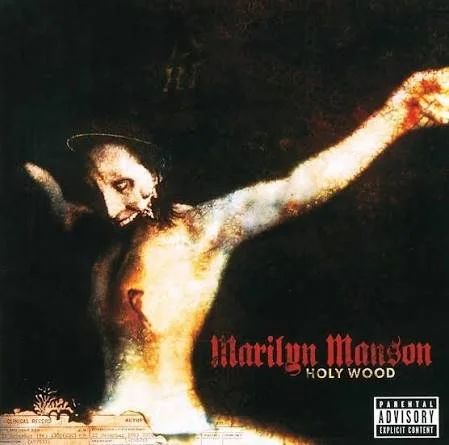
At 19 songs over 68 minutes, ‘Holy Wood’ is a sprawling, challenging and often brilliant concept album that is the final release of the ‘triptych’ after 1996’s ‘Antichrist Superstar’ and 1998’s ‘Mechanical Animals’ - but it was actually conceived as a prequel, with a story that is set before the other two.
While some of the ideas had been conceived years before, much of ‘Holy Wood’ was a reaction to the tragic school shooting at Columbine in 1999, for which the Amercian media had unfairly made Marilyn Manson the scapegoat. ‘Disposable Teens’ was a defiant call to arms, drenched in irony, with a groove that was reminiscent of ‘The Beautiful People’ and a provocative, commanding video. ‘The Fight Song’ attacked the Christian groups that had led the witchhunt (“I’m not a slave to a God that doesn’t exist”), and the mainstream media that perpetuated the narrative (“The death of one is a tragedy / The death of millions is just a statistic”). Opener ‘The Love Song’, with its earworm of “Do you love your guns, god, government?” attacked middle America with a sharp conciseness that Marilyn Manson does so well.
In reality, ‘Holy Wood’ can be a bit of a slog to digest in one sitting, and the record wouldn’t be hurt by losing some songs from its saggy mid-section, such as ‘A Place in the Dirt’ and ‘Lamb of God’ which come across as superfluous alongside the similar, better ‘Coma Black’ and ‘The Nobodies’.
The most intriguing section of ‘Holy Wood’ comes at the very end, with the final three tracks ‘The Fall of Adam’, ‘King Kill 33’ and ‘Count to Six and Die’, following on from the repeated refrain of “In the shadow of the valley of death” in ‘Valentine’s Day’. They bring a unique sense of atmosphere to bring the record to a close, bringing to mind how Pink Floyd’s ‘The Wall’ ends with ‘The Trial’ and ‘Outside the Wall’. The lyrics are bleak, nihilistic and genuinely frightening at times, leading to an unsettling, haunting conclusion to a record that is uncompromising in its vision.
Standout tracks: ‘Burning Flag’, ‘King Kill 33’, ‘The Love Song’
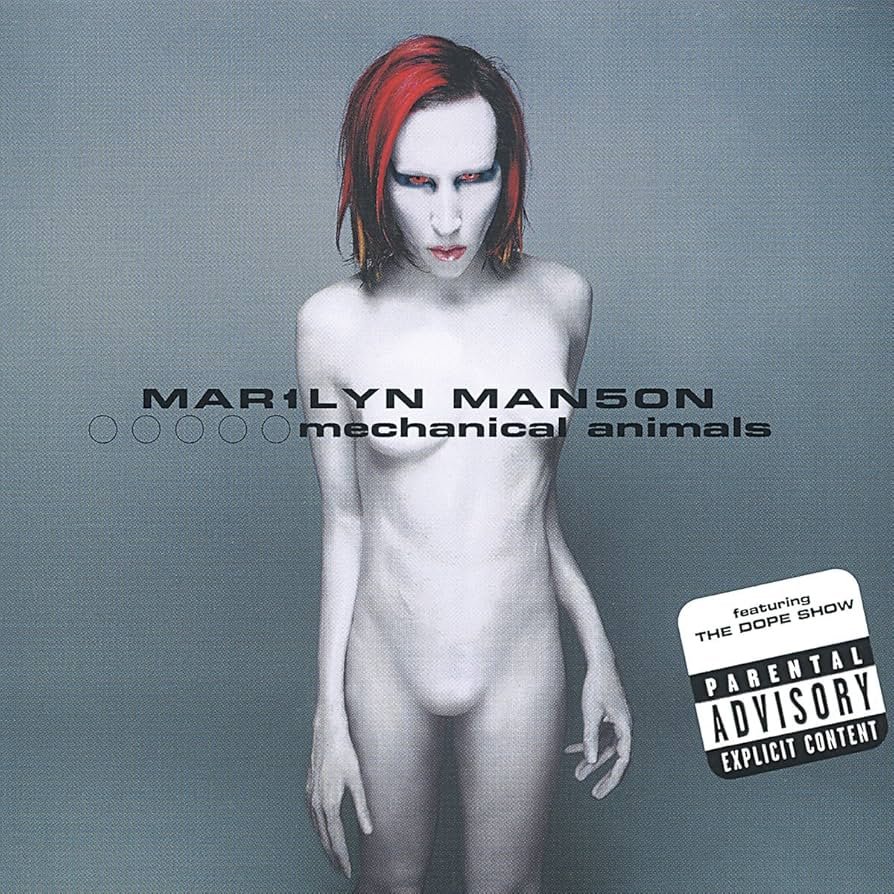
Talk about a reinvention. Two years after ‘Antichrist Superstar’ cemented Marilyn Manson’s place as Christian America’s Number 1 villain, the visual aesthetic changed beyond all recognition. Our first preview of the new direction was when the video for ‘The Dope Show’ debuted on MTV’s late-night Superock - a seriously big deal at the time, years before YouTube. Suddenly, the dark debauchery of ‘Antichrist Superstar’ was replaced by an androgynous, alien-like look, with streaks of bright red hair, accompanied by a sound that was more influenced by glam rock than industrial metal this time, and more by David Bowie’s ‘Ziggy Stardust’ than Pink Floyd’s ‘The Wall’. This was something completely different, and new.
‘The Dope Show’ was catchy and melodic, with more mainstream appeal, but it was still a long way from ‘pop’. especially with lines like “Cops and queers make good-looking models”. It set the tone for a record which was largely made up of similarly melodic songs. The closest we got to ‘Antichrist Superstar’ levels of twisted heaviness was the warped ‘User Friendly’, or perhaps ‘New Model No. 15’, but the latter still had a ‘My Sharona’-esque glam stomp to it, and ‘User Friendly’ is more aggressive vocally than instrumentally. For the most part, ‘Mechanical Animals’ is surprisingly tuneful throughout, from the crooned waltz of ‘Fundamentally Loathsome’ to the tearjerking, borderline hopeless ‘The Speed of Pain’, to the majestic title track and the closing power ballad ‘Coma White’.
‘Rock is Dead’ is arguably the best-known song here, thanks to its use in the Matrix movie soundtrack. It admittedly sounds better in its live incarnation in the subsequent excellent live album ‘The Last Tour on Earth’, as does ‘I Don’t Like The Drugs (But The Drugs Like Me)’. As such, one criticism of the record is that some of the tracks are a little too ‘on the grid’ and sterile given the use of a drum machine in the studio, whereas the live performances created a more natural, energetic feel with less polish. This is a minor quibble, though, because ‘Mechanical Animals’ is otherwise a triumph, showing an almost entirely different side to Marilyn Manson.
Standout tracks: ‘Coma White’, ‘The Speed of Pain’, ‘Mechanical Animals’
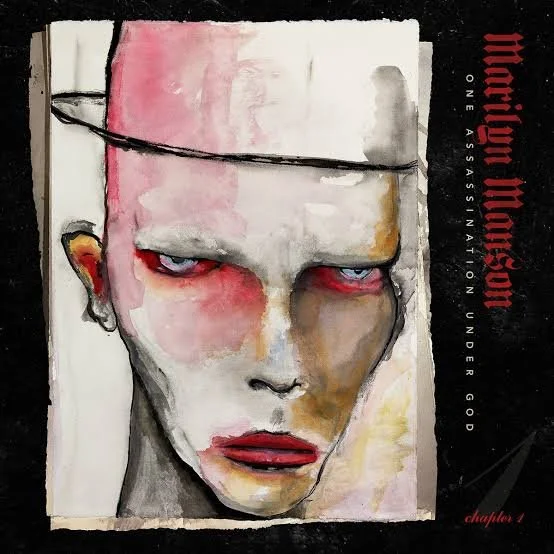
For a long time, it seemed that Marilyn Manson may never release any new music again, given the high-profile lawsuit(s) and accusations against him of historic misconduct in the 90s and 2000s. We’re here to talk about music, not personal controversies; but it is important to acknowledge the context because, for many, it was a wonder that ‘One Assassination Under God’ saw the light of day at all.
It was even more of a wonder, then, that this turned out to be not only Manson’s best album in years, but genuinely one of his greatest records ever. It gets better and better with every listen, has zero skips, and carries a genuine sense of danger that, at times, brings to mind the best moments of ‘Portrait of an American Family’ (‘Nod If You Understand’ is a more aggressive, industrial take on ‘Get Your Gunn’) and ‘Holy Wood’ (‘Sacrilegious’ stands shoulder to shoulder with ‘Disposable Teens’, ‘Death is Not a Costume’ recalls ‘The Nobodies’, and ‘Raise The Red Flag’ builds on the blueprint of ‘The Love Song’). But these songs are no mere retread, and instead are a showcase of an entirely revitalised, re-energised band with a point to prove.
The production is immaculate throughout, and at just 9 tracks there is no danger of the record outstaying its welcome. Marilyn Manson himself sounds reborn, and live performances from the ‘One Assassination Under God’ tour show that he is in the best shape of his life, both physically and vocally. The excellent ‘As Sick as the Secrets Within’ is perhaps the strongest example of his revitalised singing voice, confident and tuneful, and he sounds fantastic in the brooding title track, the up-tempo ‘Meet Me In Purgatory’, and the reflective, ominous closer ‘Sacrifice of the Mass’.
There are some subtle nods to classic albums, such as the font on the front cover which hasn’t been used since ‘Holy Wood’, and the curious halo around Manson’s head which echoes a painting he made for the ‘I Don’t Like The Drugs (But The Drugs Like Me)’ single. That said, unless ‘Chapter Two’ reveals a greater concept, there doesn’t seem to be a clear narrative thread through this record in the vein of the ‘triptych’ of ‘Antichrist Superstar’, ‘Mechanical Albums’ and ‘Holy Wood’ - though, curiously, it was released on November 22, the anniversary of the assassination of John F Kennedy. In any case, this is a collection of extremely well-written, inventive and varied songs - and for anyone who dismissed Marilyn Manson prematurely is in for a real treat here. Bring on the next chapter!
Standout Tracks: ‘As Sick as the Secrets Within’, ‘Nod If You Understand’, ‘One Assassination Under God’
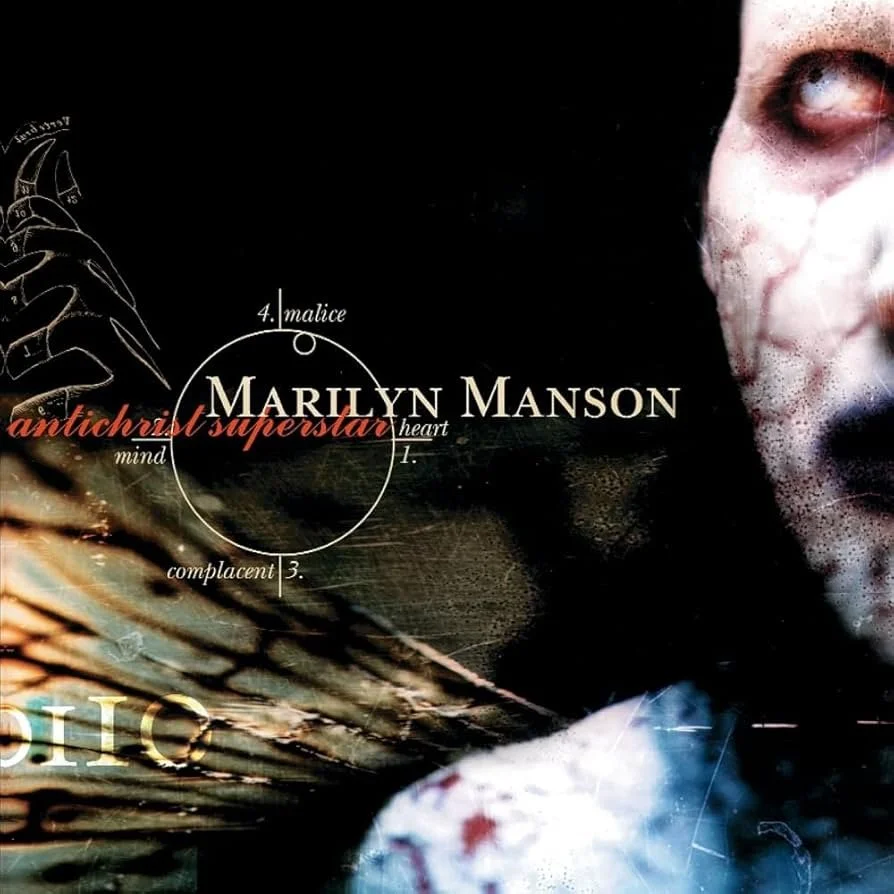
It had to be, didn’t it? No conversation about Marilyn Manson is complete without discussing ‘Antichrist Superstar’. Much as there have been some great releases since, there is something so unique, singular, cohesive and utterly brilliant about this 1996 magnum opus that it would be hard to justifiably putting any other album in the top spot.
Production-wise, ‘Antichrist Superstar’ shares some common ground with Nine Inch Nails, which is no surprise given Trent Reznor’s involvement in the producer’s chair. There are so many layers to each of the 16 songs. Beyond the buzzsaw guitars, propulsive drums (a mixture of live and programmed beats), creatively-affected vocals and thunderous bass, the album is peppered with otherworldly sounds, mind-bending samples and creepy synths, and no single second is wasted. Even the quieter moments such as the acoustic lament ‘Man That You Fear’, the 80s synth-led dark pop of ‘Wormboy’ and strangely beautiful ‘Cryptorchid’ are drenched in vocoders, choir samples, distorted electronics and effect loops that spiral to the point of nausea. The repetition of lines such as ‘Prick your finger / it is done / the moon has now eclipsed the sun / the angel has spread its wings / the time has come for bitter things” and “When all of your wishes are granted / many of your dreams will be destroyed” ties the songs into a cohesive whole; and whether you are brave enough to digest the whole record in one sitting, or if you prefer to dip into individual tracks, every listen is a new experience.
And then to the songs themselves. Well, of course, there’s ‘The Beautiful People’, arguably the best-known (and best?) Marilyn Manson song, driven by an incredibly catchy riff. The other single, ‘Tourniquet’, is a more conventional 90s rock song, albeit with twisted, gnarly lyrics and dark overtones. The fast and furious ‘Irresponsible Hate Anthem’, ‘Little Horn’ and ‘1996’ are three of Manson’s heaviest and most unrelenting songs ever, and ‘The Reflecting God’ is a late-album highlight built around a menacing bassline and vicious lyrics (“Your world is an ashtray" / “No salvation, no forgiveness”).
‘Antichrist Superstar’ is LONG. But, where ‘Holy Wood’ and other records have a tendency to drag, every song here plays an important role. Even deep cuts like ‘Kinderfeld’, ‘Minute of Decay’ and ‘Deformography’ have a part to play, each contributing to a story of growth, death, rebirth and rebellion that, despite its overwhelming nihilism and misanthropia, contains a curious beauty. An essential 90s masterpiece.
Standout tracks: ‘Angel With The Scabbed Wings’, ‘The Reflecting God’, ‘Cryptorchid’, ‘The Beautiful People’